Venture funding reached a record-shattering $300 billion in Q1 2026 as investors pivot toward agentic AI and energy infrastructure, marking a new industrial era.


Meta and EssilorLuxottica eye doubling output to 20M units. These $799 glasses feature a neural band and HUD, signaling a booming AR market.

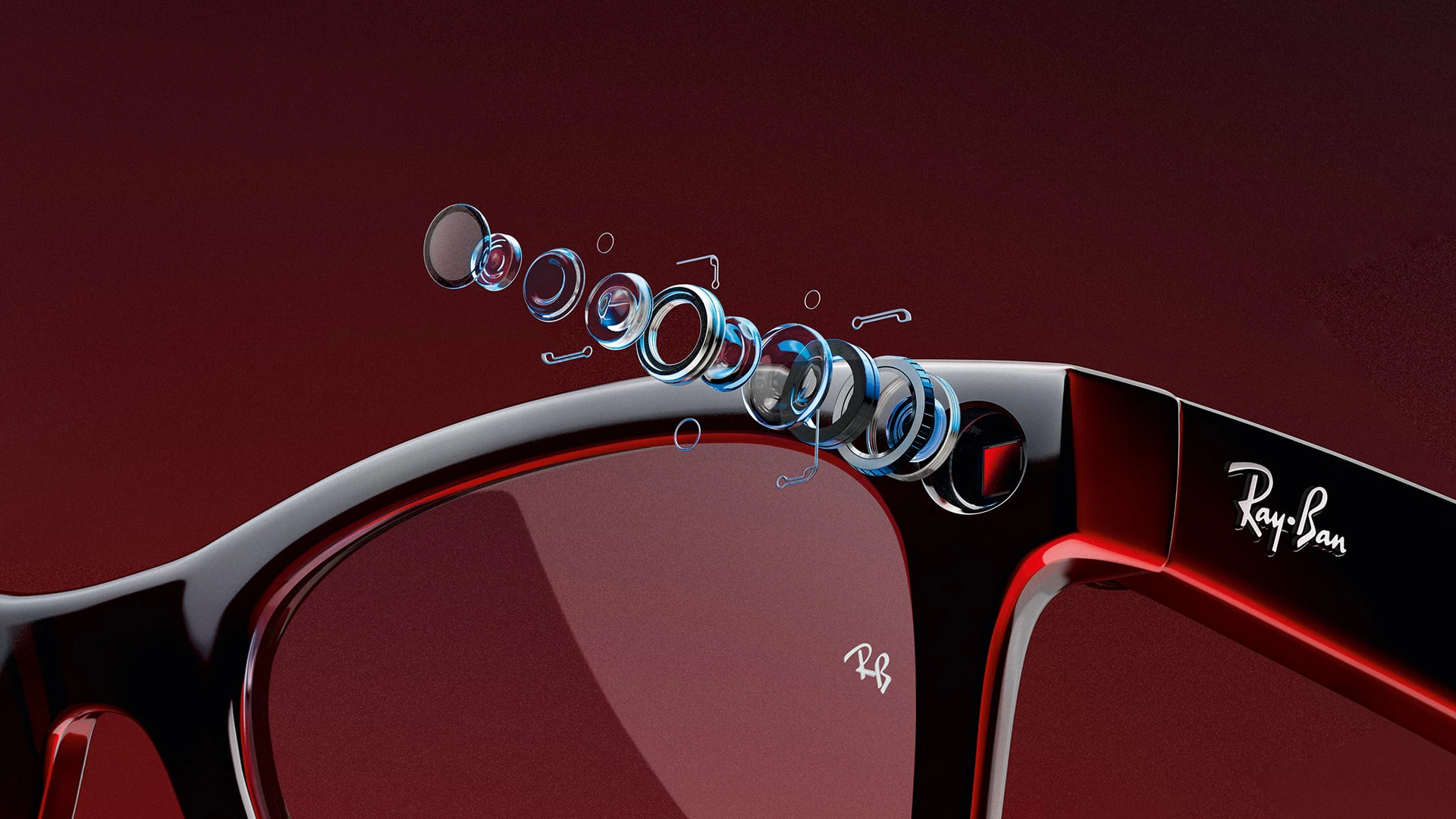
According to Bloomberg News, Meta and EssilorLuxottica, the two companies behind the Meta Ray-Ban smart glasses, are considering the option of doubling their smartglass production by the end of this year. Currently sitting at roughly 10 million units annually, this would be a notable jump in production for the team responsible for the Display glasses.
The two companies are also considering an increase to 30 million units if 20 million doesn’t seem to quench the undying Meta Ray-Ban thirst, although neither the 20 nor 30 million has been confirmed as a finalized decision.
Starting in 2019, Meta and Luxottica created a partnership focused on Ray-Ban branded smart glasses, an idea last popularized by Google’s doomed Google Glass products. Since the time of Google Glass however, technology and artificial intelligence have grown in portability and power, allowing Meta to jumpstart a new product line focused around portable AI-focused smart glasses.
These glasses come with a built-in camera and microphone, the first few options allowing users to record video and audio. Since then, Meta has quickly expanded the capabilities of their glasses, the new Meta Ray-Ban display including a built-in covert display and neural wristband.
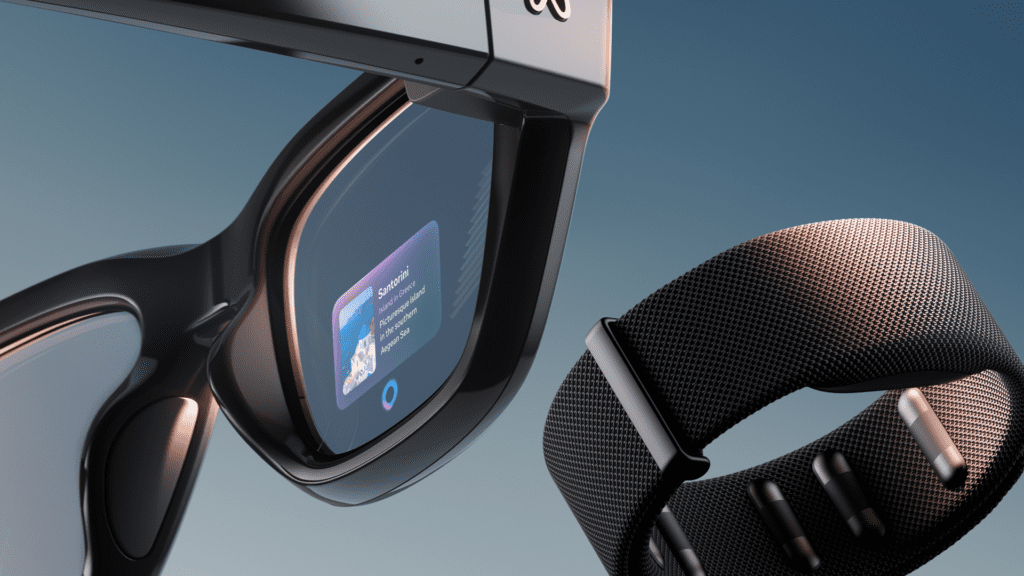
Ironically, Palatial, formerly Statural.com, first discussed Meta’s (then Facebook) acquisition of the company behind the neural band technology, which is now being utilized in their display glasses. These glasses not only include a 600×600 pixel hi-res full color display within the lens, but also a 6-microphone array and open-ear speakers with Bluetooth.
In addition to the user aspects, these glasses now include a 12MP camera with 3X zoom and up to 6 hours of charge, all for the cheap cheap price of $799.
Meta has quickly expanded the technical abilities and social aspects of these glasses, allowing its partnership with EssilorLuxottica to turn what was though to be a gag tech gift into what’s likely a multi-billion-dollar market reinvigorated after several failed and/or overpriced endeavors by other companies (i.e., Google).
With the rapid hardware and firmware developments from companies such as Meta, there is a lot of excitement and opportunity that we haven’t had in these markets in a long, long time. Meta, the owner of Oculus, additionally has the chance to reinvigorate the virtual reality spaces through these glasses, an AR concept that we’ll likely only see more of every year.
Venture funding reached a record-shattering $300 billion in Q1 2026 as investors pivot toward agentic AI and energy infrastructure, marking a new industrial era.

Microsoft is betting that two AI models working together are better than one, and it just shipped the proof.
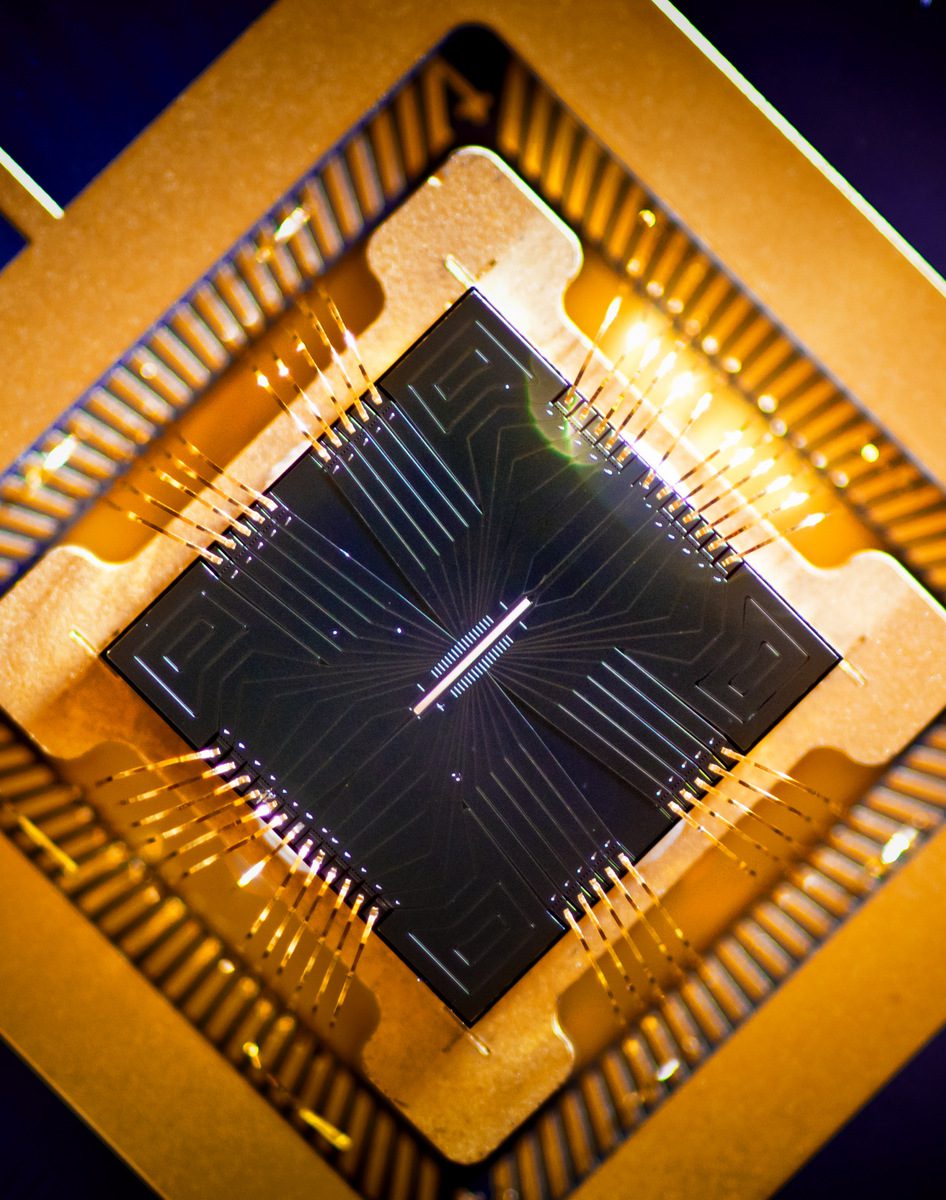
IonQ just shattered the $100 million revenue ceiling, proving that quantum computing is no longer a science experiment but a massive commercial reality for 2026.
Meta and EssilorLuxottica eye doubling output to 20M units. These $799 glasses feature a neural band and HUD, signaling a booming AR market.
According to Bloomberg News, Meta and EssilorLuxottica, the two companies behind the Meta Ray-Ban smart glasses, are considering the option of doubling their smartglass production by the end of this year. Currently sitting at roughly 10 million units annually, this would be a notable jump in production for the team responsible for the Display glasses.
The two companies are also considering an increase to 30 million units if 20 million doesn’t seem to quench the undying Meta Ray-Ban thirst, although neither the 20 nor 30 million has been confirmed as a finalized decision.
Starting in 2019, Meta and Luxottica created a partnership focused on Ray-Ban branded smart glasses, an idea last popularized by Google’s doomed Google Glass products. Since the time of Google Glass however, technology and artificial intelligence have grown in portability and power, allowing Meta to jumpstart a new product line focused around portable AI-focused smart glasses.
These glasses come with a built-in camera and microphone, the first few options allowing users to record video and audio. Since then, Meta has quickly expanded the capabilities of their glasses, the new Meta Ray-Ban display including a built-in covert display and neural wristband.
Ironically, Palatial, formerly Statural.com, first discussed Meta’s (then Facebook) acquisition of the company behind the neural band technology, which is now being utilized in their display glasses. These glasses not only include a 600×600 pixel hi-res full color display within the lens, but also a 6-microphone array and open-ear speakers with Bluetooth.
In addition to the user aspects, these glasses now include a 12MP camera with 3X zoom and up to 6 hours of charge, all for the cheap cheap price of $799.
Meta has quickly expanded the technical abilities and social aspects of these glasses, allowing its partnership with EssilorLuxottica to turn what was though to be a gag tech gift into what’s likely a multi-billion-dollar market reinvigorated after several failed and/or overpriced endeavors by other companies (i.e., Google).
With the rapid hardware and firmware developments from companies such as Meta, there is a lot of excitement and opportunity that we haven’t had in these markets in a long, long time. Meta, the owner of Oculus, additionally has the chance to reinvigorate the virtual reality spaces through these glasses, an AR concept that we’ll likely only see more of every year.
Venture funding reached a record-shattering $300 billion in Q1 2026 as investors pivot toward agentic AI and energy infrastructure, marking a new industrial era.
Microsoft is betting that two AI models working together are better than one, and it just shipped the proof.
IonQ just shattered the $100 million revenue ceiling, proving that quantum computing is no longer a science experiment but a massive commercial reality for 2026.

Tariff chaos and an AI reality check are crushing tech valuations. Discover why 2026’s market whiplash is actually a prime contrarian buying opportunity.