IonQ just shattered the $100 million revenue ceiling, proving that quantum computing is no longer a science experiment but a massive commercial reality for 2026.
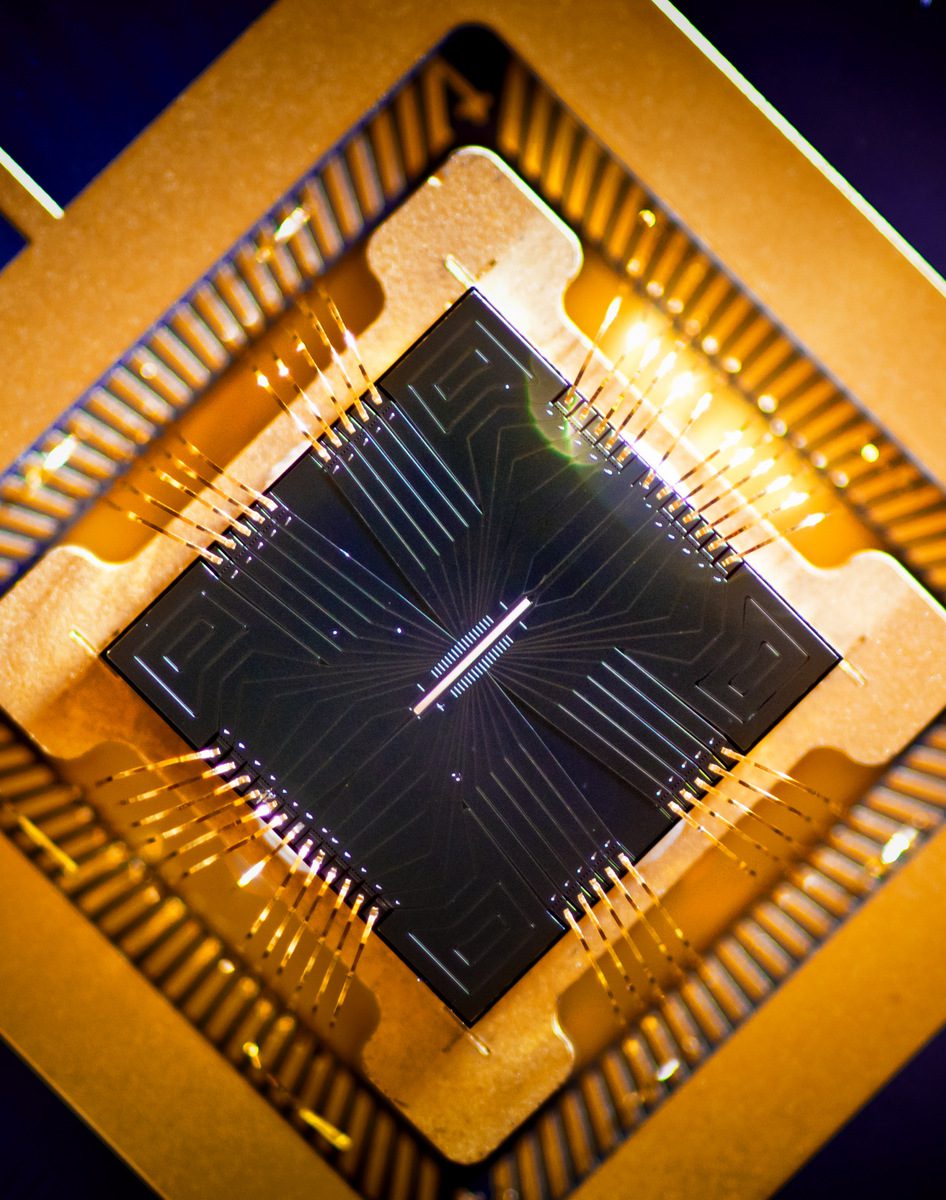

IonQ’s $1.8 billion acquisition of SkyWater transforms its fiscal profile, adding $600 million in projected revenue and shifting valuation toward a vertically integrated model.

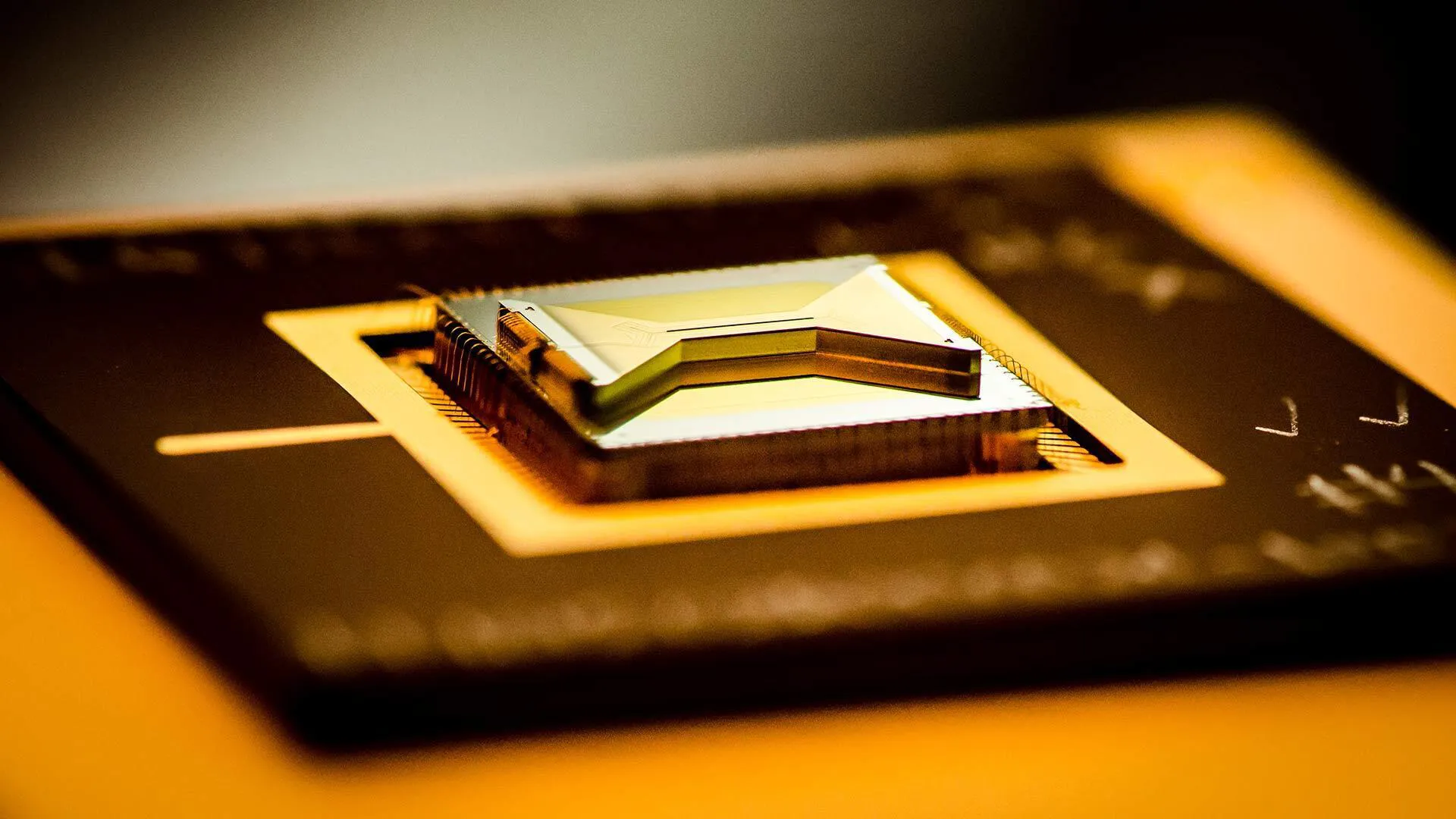
The financial landscape of the quantum computing sector underwent a structural reset on January 26, 2026, when IonQ (NYSE: IONQ) announced its definitive agreement to acquire SkyWater Technology (NASDAQ: SKYT). In a deal valued at approximately $1.8 billion, IonQ has effectively transitioned from a high-growth, asset-light technology developer into the first vertically integrated quantum platform company. This move represents a strategic deployment of IonQ’s massive $3.5 billion cash reserve to secure the means of production and stabilize its long-term valuation.
For years, quantum hardware companies were valued almost entirely on speculative future multiples and “hope” for eventual technical breakthroughs. By absorbing a commercial semiconductor foundry, IonQ is attempting to ground its valuation in tangible assets and diversified revenue streams. This analysis examines the financial mechanics of the $1.8 billion transaction, the impact on forward valuation metrics like P/S and P/E ratios, and the shift in the company’s capital structure as it prepares for large-scale commercialization.
IonQ enters this transaction during a period of significant technical and financial momentum. In late 2025, the company achieved a world-record 99.99% two-qubit gate fidelity and reached its Algorithmic Qubit (AQ) 64 milestone ahead of schedule. These achievements helped drive the company’s 2025 revenue toward the high end of its $106 million to $110 million guidance range.
SkyWater Technology, based in Bloomington, Minnesota, brings a mature financial foundation to the merger. As the largest exclusively U.S.-based pure-play semiconductor foundry, SkyWater operates a “Technology as a Service” (TaaS) model that generates revenue through advanced development services and volume wafer fabrication. SkyWater is a DMEA-accredited Category 1A Trusted Foundry, providing a secure revenue stream from U.S. government and defense contracts.
The acquisition is structured as a cash-and-stock transaction, allowing IonQ to leverage its high share price while preserving a significant portion of its liquidity.
IonQ enters 2026 with an exceptionally strong balance sheet, maintaining over $3.5 billion in cash and equivalents.

The merger fundamentally changes IonQ’s top-line revenue profile and its path toward profitability. By adding SkyWater’s established foundry business, IonQ is essentially “buying” fundamental stability.
| Metric | IonQ (Standalone) | SkyWater (Subsidiary) | Consolidated Pro-Forma |
|---|---|---|---|
| Annual Revenue | ~$200M | ~$600M | ~$800M+ |
| Rev. Growth (YoY) | 100%+ | 15-20% | ~40% (Weighted) |
| Gross Margin | 70-80% (Cloud) | 20-30% (Foundry) | 35-45% |
The P/S ratio has been the primary metric for quantum stocks. Before this deal, IonQ traded at a trailing P/S ratio often exceeding 40x.
IonQ is not yet profitable on a GAAP basis due to massive R&D spending. However, the addition of SkyWater’s cash flow pulls forward the timeline to profitability.
The most compelling financial argument for this merger is the acceleration of the technical roadmap. In the semiconductor industry, “time to silicon” is the ultimate variable.
| Milestone | Original Timeline | New Accelerated Timeline | Impact on Market Entry |
|---|---|---|---|
| 256 Qubit QPU Prototype | Q4 2026 | Q3 2026 | Parallel testing enabled |
| 200,000 Qubit Functional | 2029 | 2028 | Embedded fab access |
| 2,000,000 Qubit Scaling | 2031 | 2030 | Integrated packaging |
As a vertically integrated company, IonQ eliminates the external margins it would otherwise pay to a foundry partner.
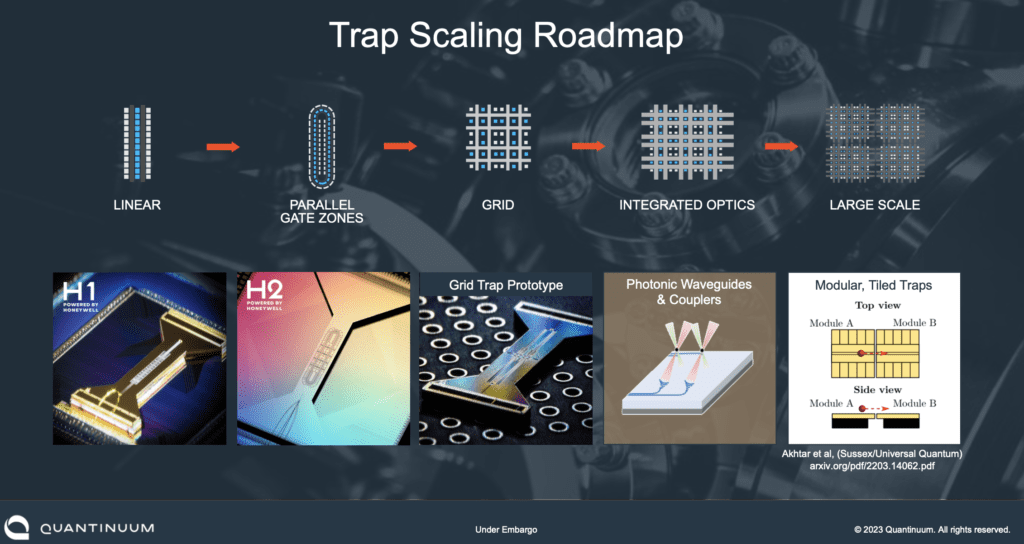
Merging an R&D-heavy quantum startup with a capital-intensive industrial foundry presents significant execution risks.
The IonQ and SkyWater merger represents the most significant financial evolution in the history of the quantum sector. It replaces the “pure hope” valuation model with a vertically integrated industrial model that balances high-growth potential with tangible assets.
For investors, the IonQ-SkyWater merger is a “de-risking” event. The focus now shifts from “can they build it?” to “how fast can they scale it?”
IonQ just shattered the $100 million revenue ceiling, proving that quantum computing is no longer a science experiment but a massive commercial reality for 2026.
Tariff chaos and an AI reality check are crushing tech valuations. Discover why 2026’s market whiplash is actually a prime contrarian buying opportunity.
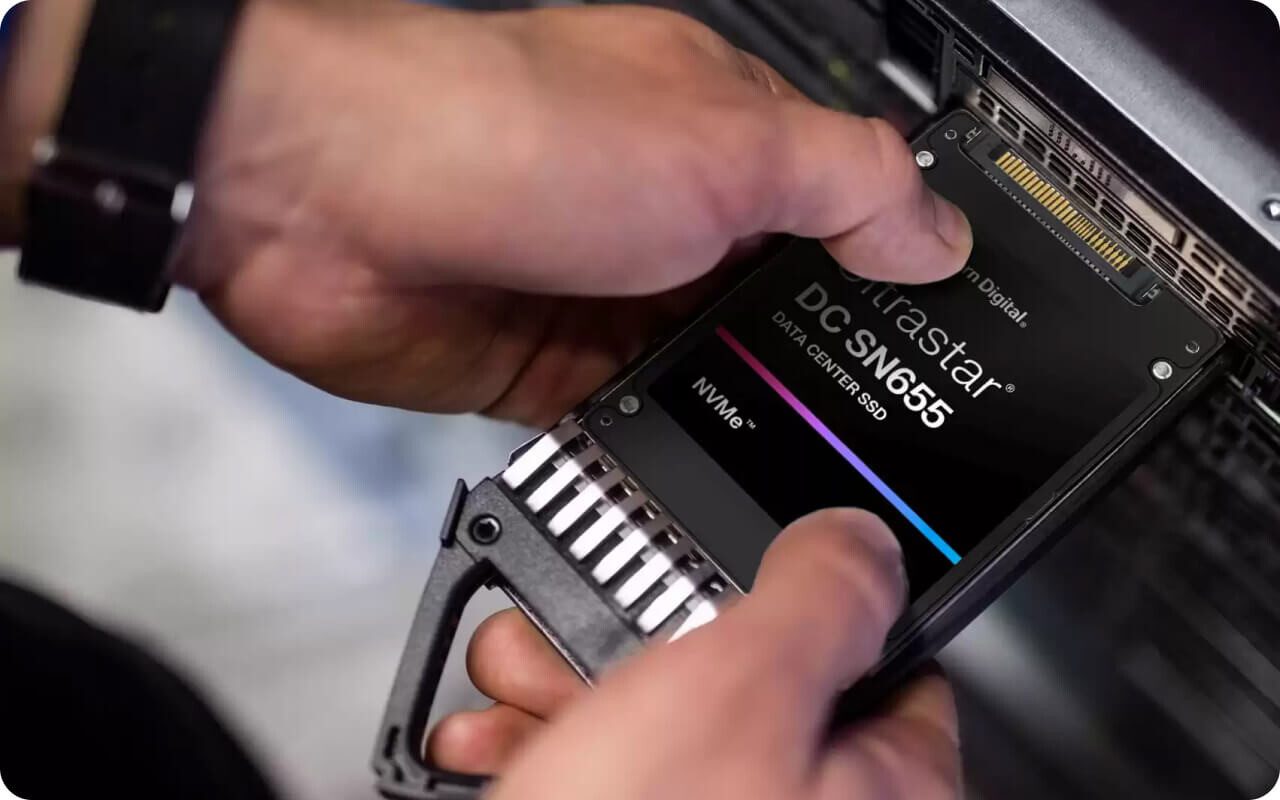
SanDisk reports a blowout Q2 2026 with $3.03 billion in revenue and $6.20 EPS. Despite the stock being down today, the future valuation remains massive.
IonQ’s $1.8 billion acquisition of SkyWater transforms its fiscal profile, adding $600 million in projected revenue and shifting valuation toward a vertically integrated model.
The financial landscape of the quantum computing sector underwent a structural reset on January 26, 2026, when IonQ (NYSE: IONQ) announced its definitive agreement to acquire SkyWater Technology (NASDAQ: SKYT). In a deal valued at approximately $1.8 billion, IonQ has effectively transitioned from a high-growth, asset-light technology developer into the first vertically integrated quantum platform company. This move represents a strategic deployment of IonQ’s massive $3.5 billion cash reserve to secure the means of production and stabilize its long-term valuation.
For years, quantum hardware companies were valued almost entirely on speculative future multiples and “hope” for eventual technical breakthroughs. By absorbing a commercial semiconductor foundry, IonQ is attempting to ground its valuation in tangible assets and diversified revenue streams. This analysis examines the financial mechanics of the $1.8 billion transaction, the impact on forward valuation metrics like P/S and P/E ratios, and the shift in the company’s capital structure as it prepares for large-scale commercialization.
IonQ enters this transaction during a period of significant technical and financial momentum. In late 2025, the company achieved a world-record 99.99% two-qubit gate fidelity and reached its Algorithmic Qubit (AQ) 64 milestone ahead of schedule. These achievements helped drive the company’s 2025 revenue toward the high end of its $106 million to $110 million guidance range.
SkyWater Technology, based in Bloomington, Minnesota, brings a mature financial foundation to the merger. As the largest exclusively U.S.-based pure-play semiconductor foundry, SkyWater operates a “Technology as a Service” (TaaS) model that generates revenue through advanced development services and volume wafer fabrication. SkyWater is a DMEA-accredited Category 1A Trusted Foundry, providing a secure revenue stream from U.S. government and defense contracts.
The acquisition is structured as a cash-and-stock transaction, allowing IonQ to leverage its high share price while preserving a significant portion of its liquidity.
IonQ enters 2026 with an exceptionally strong balance sheet, maintaining over $3.5 billion in cash and equivalents.
The merger fundamentally changes IonQ’s top-line revenue profile and its path toward profitability. By adding SkyWater’s established foundry business, IonQ is essentially “buying” fundamental stability.
| Metric | IonQ (Standalone) | SkyWater (Subsidiary) | Consolidated Pro-Forma |
|---|---|---|---|
| Annual Revenue | ~$200M | ~$600M | ~$800M+ |
| Rev. Growth (YoY) | 100%+ | 15-20% | ~40% (Weighted) |
| Gross Margin | 70-80% (Cloud) | 20-30% (Foundry) | 35-45% |
The P/S ratio has been the primary metric for quantum stocks. Before this deal, IonQ traded at a trailing P/S ratio often exceeding 40x.
IonQ is not yet profitable on a GAAP basis due to massive R&D spending. However, the addition of SkyWater’s cash flow pulls forward the timeline to profitability.
The most compelling financial argument for this merger is the acceleration of the technical roadmap. In the semiconductor industry, “time to silicon” is the ultimate variable.
| Milestone | Original Timeline | New Accelerated Timeline | Impact on Market Entry |
|---|---|---|---|
| 256 Qubit QPU Prototype | Q4 2026 | Q3 2026 | Parallel testing enabled |
| 200,000 Qubit Functional | 2029 | 2028 | Embedded fab access |
| 2,000,000 Qubit Scaling | 2031 | 2030 | Integrated packaging |
As a vertically integrated company, IonQ eliminates the external margins it would otherwise pay to a foundry partner.
Merging an R&D-heavy quantum startup with a capital-intensive industrial foundry presents significant execution risks.
The IonQ and SkyWater merger represents the most significant financial evolution in the history of the quantum sector. It replaces the “pure hope” valuation model with a vertically integrated industrial model that balances high-growth potential with tangible assets.
For investors, the IonQ-SkyWater merger is a “de-risking” event. The focus now shifts from “can they build it?” to “how fast can they scale it?”
IonQ just shattered the $100 million revenue ceiling, proving that quantum computing is no longer a science experiment but a massive commercial reality for 2026.
Tariff chaos and an AI reality check are crushing tech valuations. Discover why 2026’s market whiplash is actually a prime contrarian buying opportunity.
SanDisk reports a blowout Q2 2026 with $3.03 billion in revenue and $6.20 EPS. Despite the stock being down today, the future valuation remains massive.
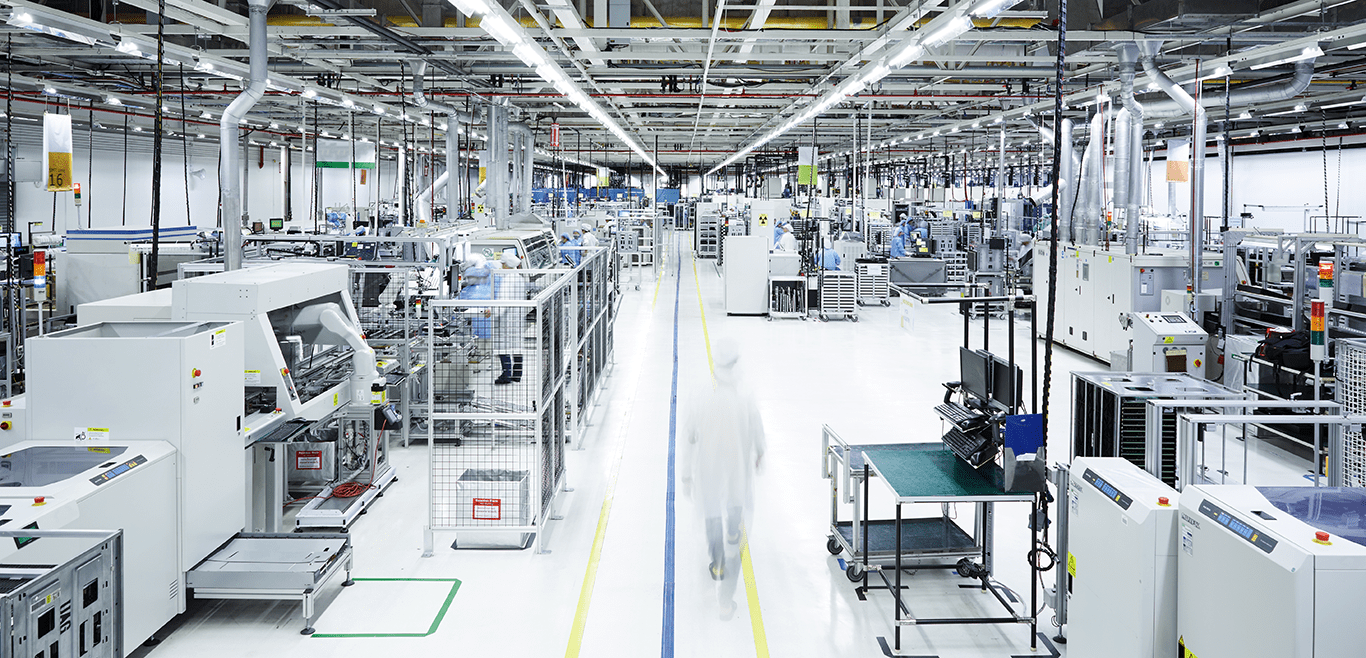
Celestica’s record-shattering Q4 2025 results showcase a massive leap in adjusted operating margins to 7.7%, driven by surging demand for AI data center technologies.