IonQ just shattered the $100 million revenue ceiling, proving that quantum computing is no longer a science experiment but a massive commercial reality for 2026.

IREN enters 2026 as a top-tier AI play, secured by a landmark $9.7 billion Microsoft contract and a vertically integrated 3GW power portfolio that is leaving competitors behind.

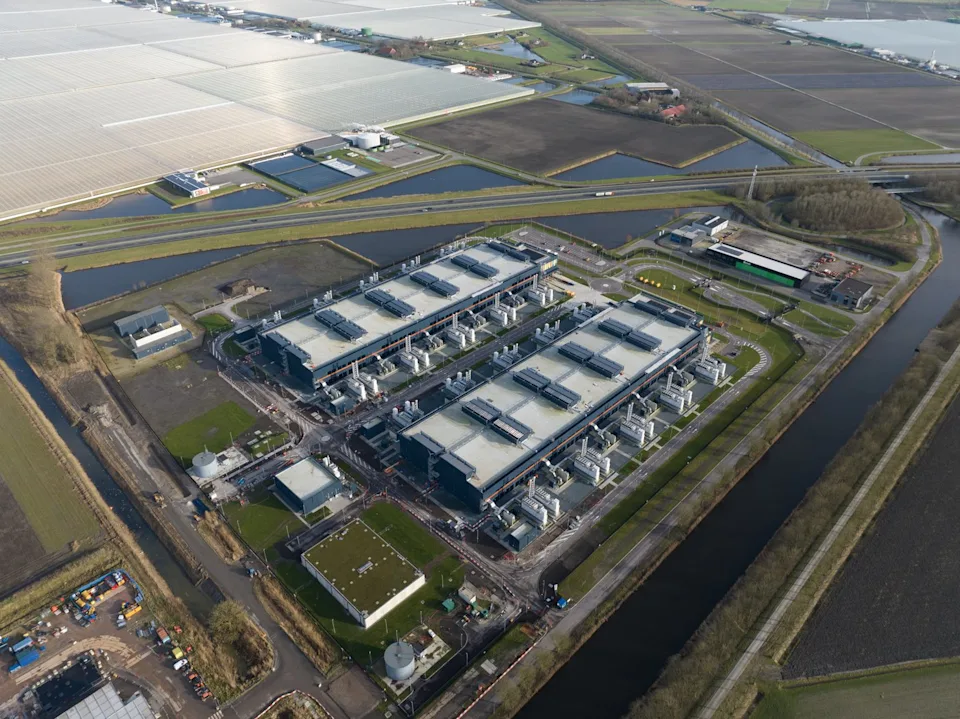
The landscape of the digital asset industry has undergone a violent transformation over the last twelve months. For years, companies like IREN (formerly Iris Energy) were categorized strictly as Bitcoin miners: businesses tied to the volatile price action of a single cryptocurrency. But as we move into 2026, that classification has become obsolete. IREN has successfully executed a pivot that many of its peers attempted but few achieved: transitioning from a pure-play miner into a high-performance computing (HPC) and AI powerhouse.
The stock market has taken notice. In late 2025 and the first few weeks of January 2026, IREN emerged as one of the best-performing names in the infrastructure sector. This is not just a speculative rally: it is the market pricing in the massive revenue shift from $501 million in fiscal 2025 to a targeted $3.4 billion annualized run-rate by the end of 2026.
The defining moment for IREN occurred in late 2025 with the announcement of a landmark $9.7 billion multi-year AI cloud contract with Microsoft. This agreement is not just a pilot program: it is a massive, five-year commitment that positions IREN as a critical provider of GPU capacity for the world’s leading AI company.
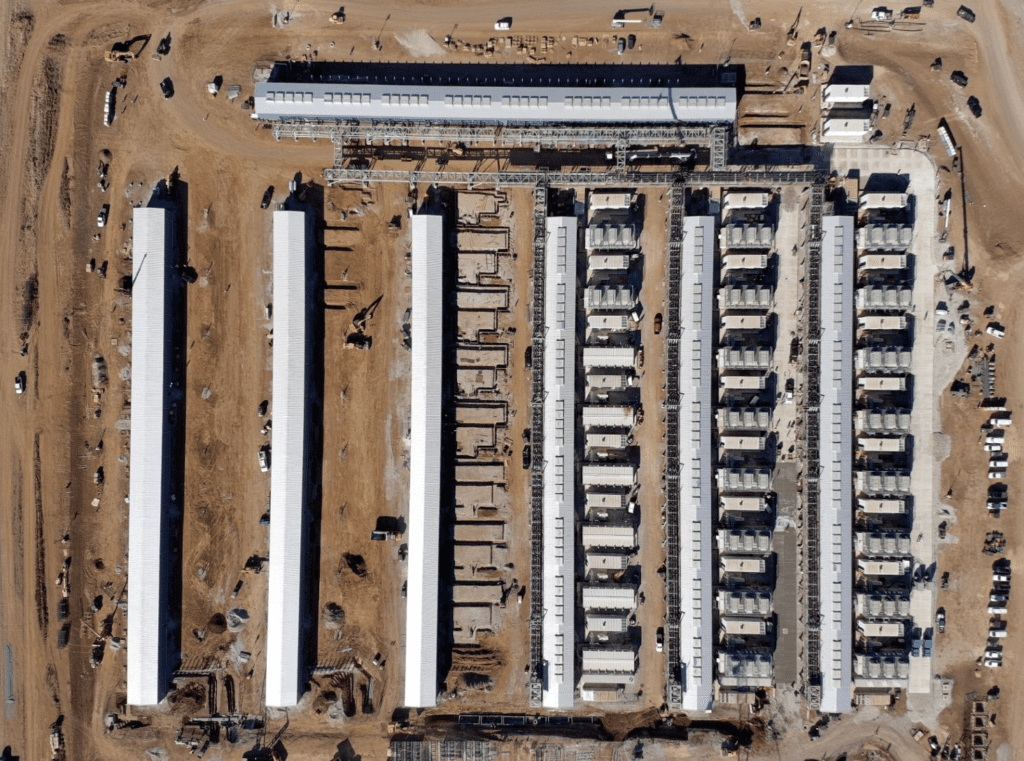
Under the terms of the deal, IREN is deploying NVIDIA GB300 (Blackwell Ultra) GPU clusters at its 750 MW Childress, Texas, campus. The financial implications are staggering. The contract includes a 20% upfront prepayment, roughly $1.9 billion, which has effectively de-risked the company’s capital expenditure for the next two years. Analysts expect this single contract to deliver approximately $1.94 billion in annual recurring revenue (ARR) once fully operational, with project-level EBITDA margins estimated at a remarkable 85%.
The “why” behind this partnership is simple: power and speed. In 2026, the primary bottleneck for AI training is not just the chips themselves, but the electrical infrastructure required to run them. IREN owns its land, its substations, and its power agreements. While other data center providers are waiting 36 to 48 months for grid connections, IREN has energized capacity ready to be filled.
In the world of AI infrastructure, there is a clear divide between “asset-light” cloud providers and “vertically integrated” owners. IREN belongs firmly in the latter camp. The company controls the entire stack from the 345kV substation down to the liquid-cooled GPU racks.
IREN currently controls approximately 3 GW of secured, grid-connected power across North America. To put that into perspective, the company’s ambitious plan to scale its GPU fleet to 140,000 units by the end of 2026 will utilize only 16% of its total power capacity. This leaves a massive runway for growth into 2027 and 2028 without the need for new, expensive power procurement.
The financial metrics reported in early 2026 confirm that the transition is hitting the bottom line. For the first quarter of fiscal 2026, IREN reported total revenue of $240.3 million, a 355% increase compared to the same period in the previous year.
As AI models grow in complexity, the heat generated by the hardware is becoming a structural challenge. Standard air-cooled data centers are no longer sufficient for the next generation of chips. IREN’s decision to move toward “direct-to-chip” liquid cooling across its entire Horizon 1-4 data center series is a major technical advantage.
By future-proofing its facilities for the NVIDIA Blackwell and upcoming Rubin architectures, IREN has reduced its “recontracting risk.” A tenant like Microsoft can sign a long-term deal knowing that the physical building can handle the 200kW rack densities of 2027 and beyond. This technical foresight is what allows IREN to command premium pricing compared to older, lower-spec colocation facilities.
The 2026 market has created a clear separation between winners and losers in the “miner-to-AI” trade.
The investment case for IREN in 2026 is built on the intersection of scarcity and scale. Data center capacity with gigawatt-scale power and Tier 3 specifications is currently the rarest commodity in the tech world.
IREN has successfully shed its “crypto miner” skin and emerged as a foundational player in the AI era. For investors seeking leveraged exposure to the AI infrastructure boom, IREN represents an essential, data-heavy conviction play.
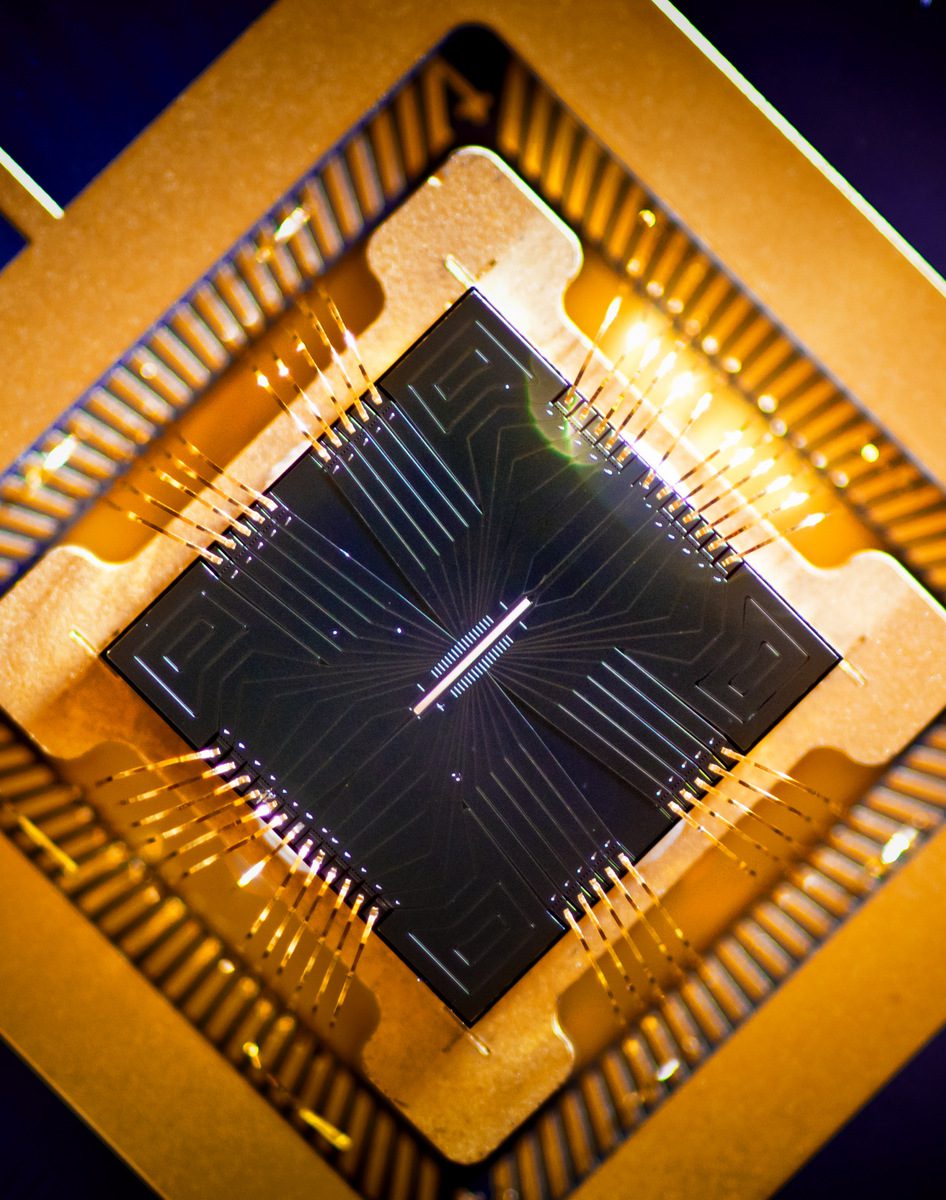
IonQ just shattered the $100 million revenue ceiling, proving that quantum computing is no longer a science experiment but a massive commercial reality for 2026.
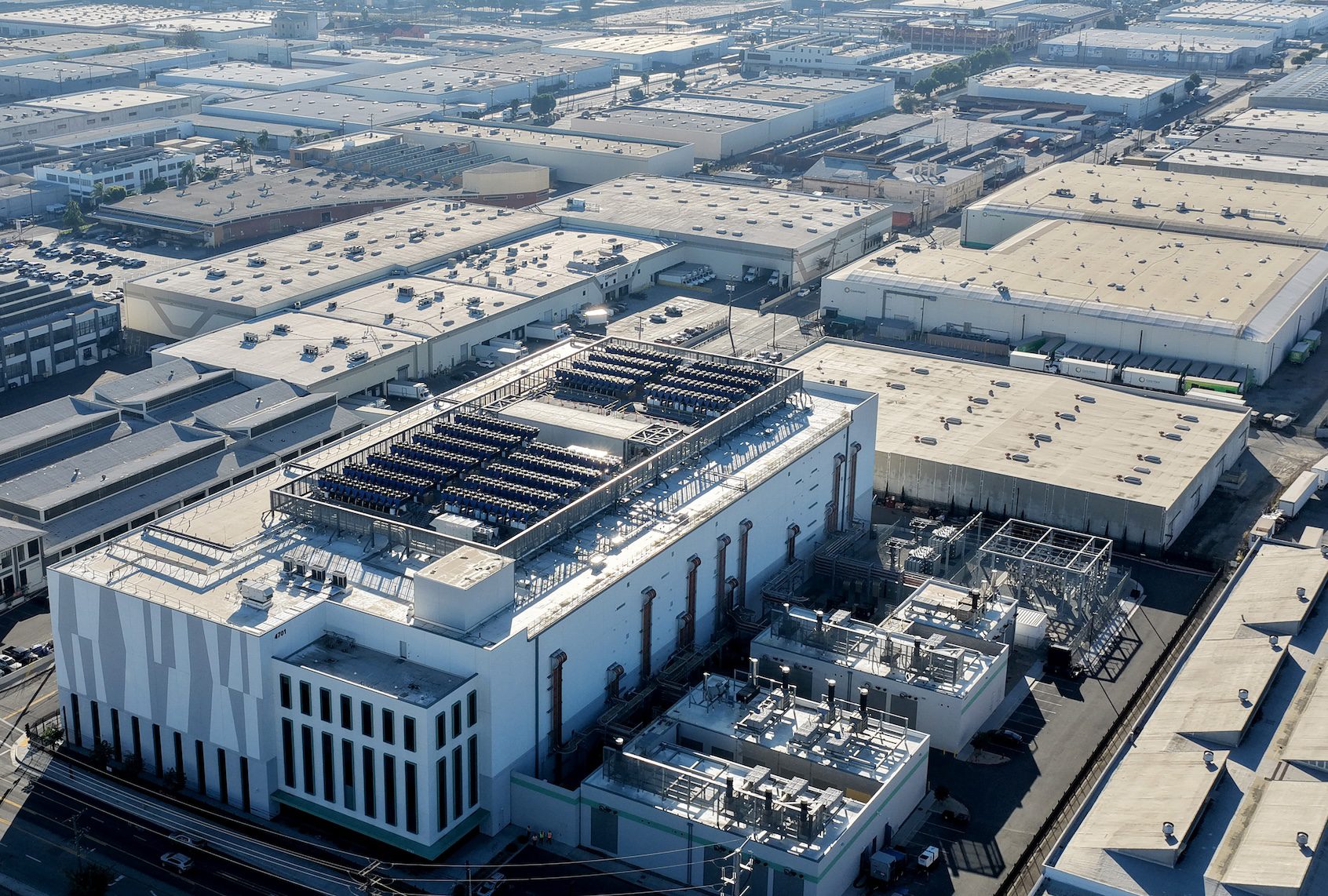
Tariff chaos and an AI reality check are crushing tech valuations. Discover why 2026’s market whiplash is actually a prime contrarian buying opportunity.
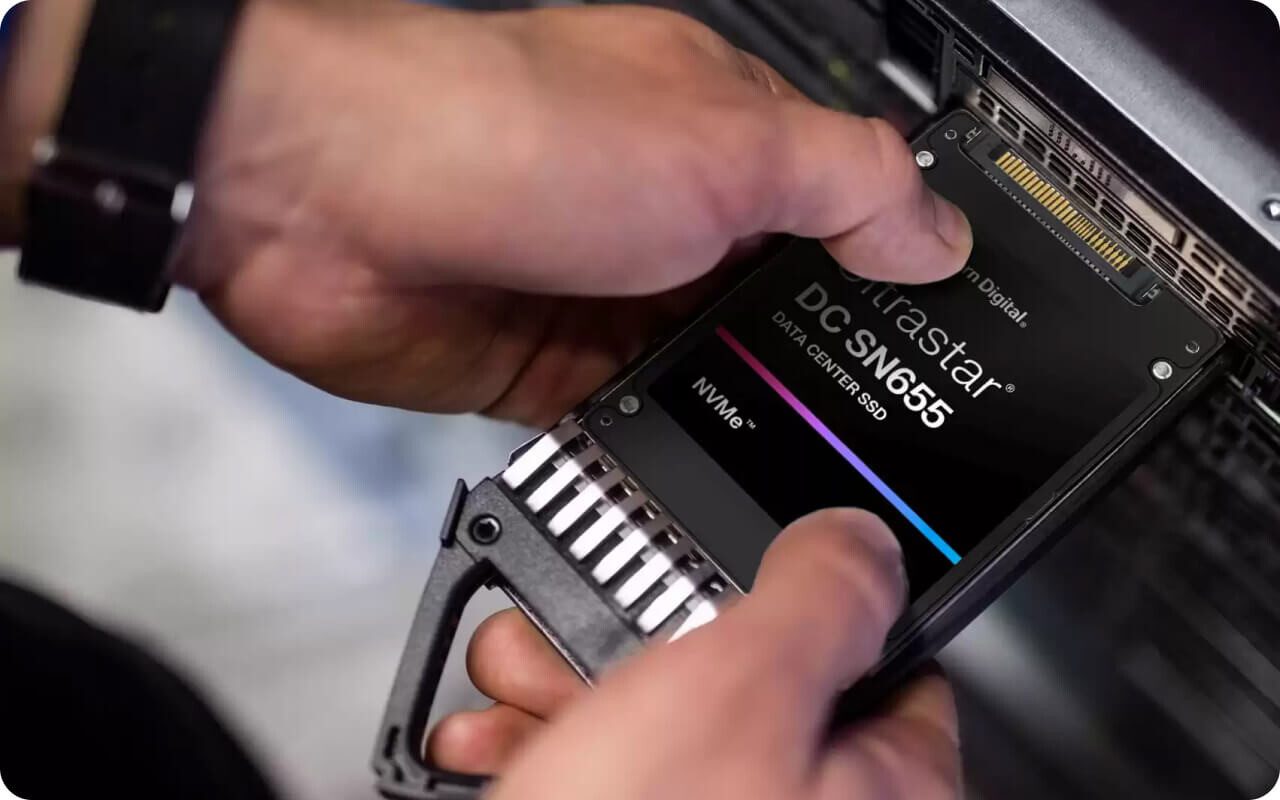
SanDisk reports a blowout Q2 2026 with $3.03 billion in revenue and $6.20 EPS. Despite the stock being down today, the future valuation remains massive.
IREN enters 2026 as a top-tier AI play, secured by a landmark $9.7 billion Microsoft contract and a vertically integrated 3GW power portfolio that is leaving competitors behind.
The landscape of the digital asset industry has undergone a violent transformation over the last twelve months. For years, companies like IREN (formerly Iris Energy) were categorized strictly as Bitcoin miners: businesses tied to the volatile price action of a single cryptocurrency. But as we move into 2026, that classification has become obsolete. IREN has successfully executed a pivot that many of its peers attempted but few achieved: transitioning from a pure-play miner into a high-performance computing (HPC) and AI powerhouse.
The stock market has taken notice. In late 2025 and the first few weeks of January 2026, IREN emerged as one of the best-performing names in the infrastructure sector. This is not just a speculative rally: it is the market pricing in the massive revenue shift from $501 million in fiscal 2025 to a targeted $3.4 billion annualized run-rate by the end of 2026.
The defining moment for IREN occurred in late 2025 with the announcement of a landmark $9.7 billion multi-year AI cloud contract with Microsoft. This agreement is not just a pilot program: it is a massive, five-year commitment that positions IREN as a critical provider of GPU capacity for the world’s leading AI company.
Under the terms of the deal, IREN is deploying NVIDIA GB300 (Blackwell Ultra) GPU clusters at its 750 MW Childress, Texas, campus. The financial implications are staggering. The contract includes a 20% upfront prepayment, roughly $1.9 billion, which has effectively de-risked the company’s capital expenditure for the next two years. Analysts expect this single contract to deliver approximately $1.94 billion in annual recurring revenue (ARR) once fully operational, with project-level EBITDA margins estimated at a remarkable 85%.
The “why” behind this partnership is simple: power and speed. In 2026, the primary bottleneck for AI training is not just the chips themselves, but the electrical infrastructure required to run them. IREN owns its land, its substations, and its power agreements. While other data center providers are waiting 36 to 48 months for grid connections, IREN has energized capacity ready to be filled.
In the world of AI infrastructure, there is a clear divide between “asset-light” cloud providers and “vertically integrated” owners. IREN belongs firmly in the latter camp. The company controls the entire stack from the 345kV substation down to the liquid-cooled GPU racks.
IREN currently controls approximately 3 GW of secured, grid-connected power across North America. To put that into perspective, the company’s ambitious plan to scale its GPU fleet to 140,000 units by the end of 2026 will utilize only 16% of its total power capacity. This leaves a massive runway for growth into 2027 and 2028 without the need for new, expensive power procurement.
The financial metrics reported in early 2026 confirm that the transition is hitting the bottom line. For the first quarter of fiscal 2026, IREN reported total revenue of $240.3 million, a 355% increase compared to the same period in the previous year.
As AI models grow in complexity, the heat generated by the hardware is becoming a structural challenge. Standard air-cooled data centers are no longer sufficient for the next generation of chips. IREN’s decision to move toward “direct-to-chip” liquid cooling across its entire Horizon 1-4 data center series is a major technical advantage.
By future-proofing its facilities for the NVIDIA Blackwell and upcoming Rubin architectures, IREN has reduced its “recontracting risk.” A tenant like Microsoft can sign a long-term deal knowing that the physical building can handle the 200kW rack densities of 2027 and beyond. This technical foresight is what allows IREN to command premium pricing compared to older, lower-spec colocation facilities.
The 2026 market has created a clear separation between winners and losers in the “miner-to-AI” trade.
The investment case for IREN in 2026 is built on the intersection of scarcity and scale. Data center capacity with gigawatt-scale power and Tier 3 specifications is currently the rarest commodity in the tech world.
IREN has successfully shed its “crypto miner” skin and emerged as a foundational player in the AI era. For investors seeking leveraged exposure to the AI infrastructure boom, IREN represents an essential, data-heavy conviction play.
IonQ just shattered the $100 million revenue ceiling, proving that quantum computing is no longer a science experiment but a massive commercial reality for 2026.
Tariff chaos and an AI reality check are crushing tech valuations. Discover why 2026’s market whiplash is actually a prime contrarian buying opportunity.
SanDisk reports a blowout Q2 2026 with $3.03 billion in revenue and $6.20 EPS. Despite the stock being down today, the future valuation remains massive.
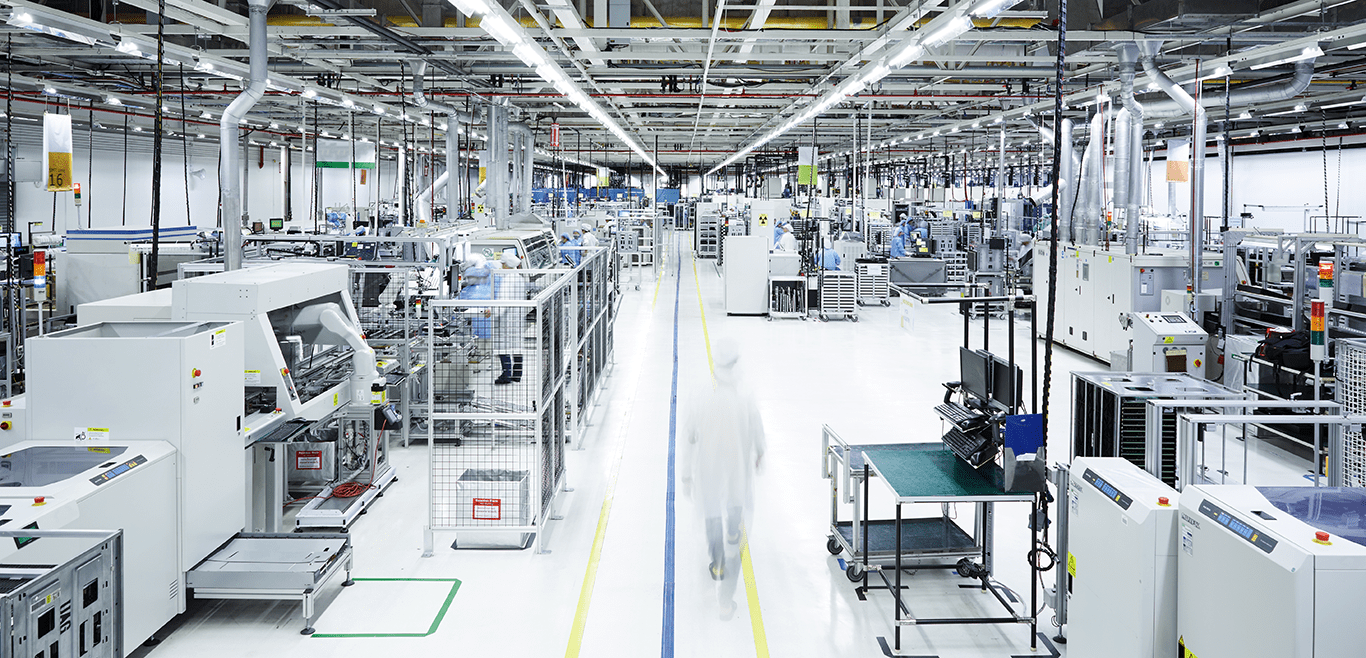
Celestica’s record-shattering Q4 2025 results showcase a massive leap in adjusted operating margins to 7.7%, driven by surging demand for AI data center technologies.