IonQ just shattered the $100 million revenue ceiling, proving that quantum computing is no longer a science experiment but a massive commercial reality for 2026.


SpaceX is reportedly targeting a record-shattering 2026 IPO at a $1.5 trillion valuation, fueled by Starlink’s profitability and the promise of Starship.

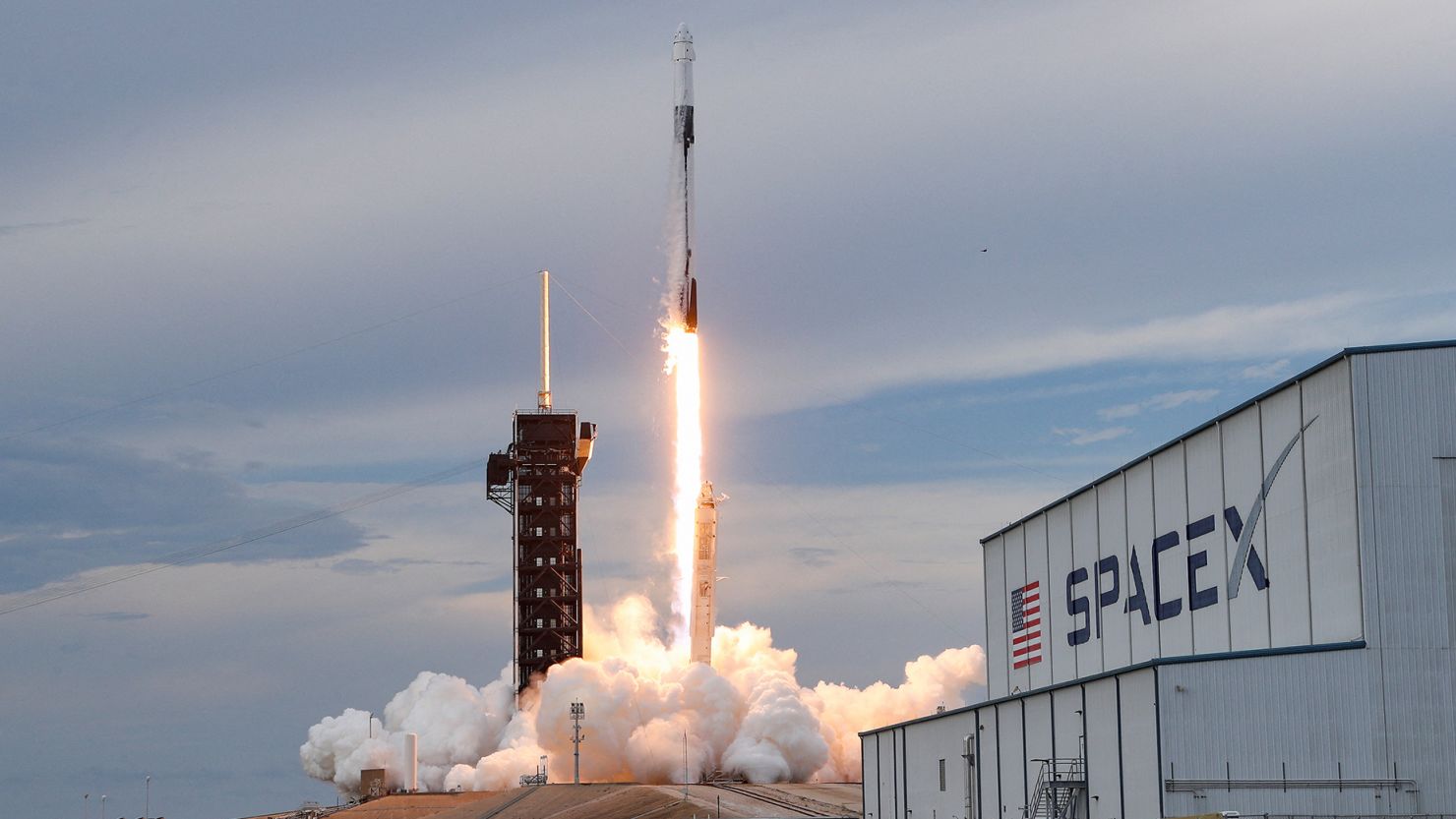
The aerospace industry has long been a domain of glacial progress and cost-plus contracts that prioritized stability over speed. That era is officially ending. As we move into January 2026, the financial world is bracing for what could be the largest initial public offering in history. SpaceX, a company that was once a scrappy startup launching repurposed Falcon 1 rockets from remote islands, is now reportedly preparing to go public.
According to recent reports from late 2025 and mid-January 2026, Elon Musk has shifted from his long-held resistance to public markets. The target is a mid-to-late 2026 debut with a valuation that could reach as high as $1.5 trillion. For context, that would place SpaceX in the same rarified air as the world’s largest tech giants. This is not just about launching satellites anymore: it is about owning the fundamental infrastructure of the next century.
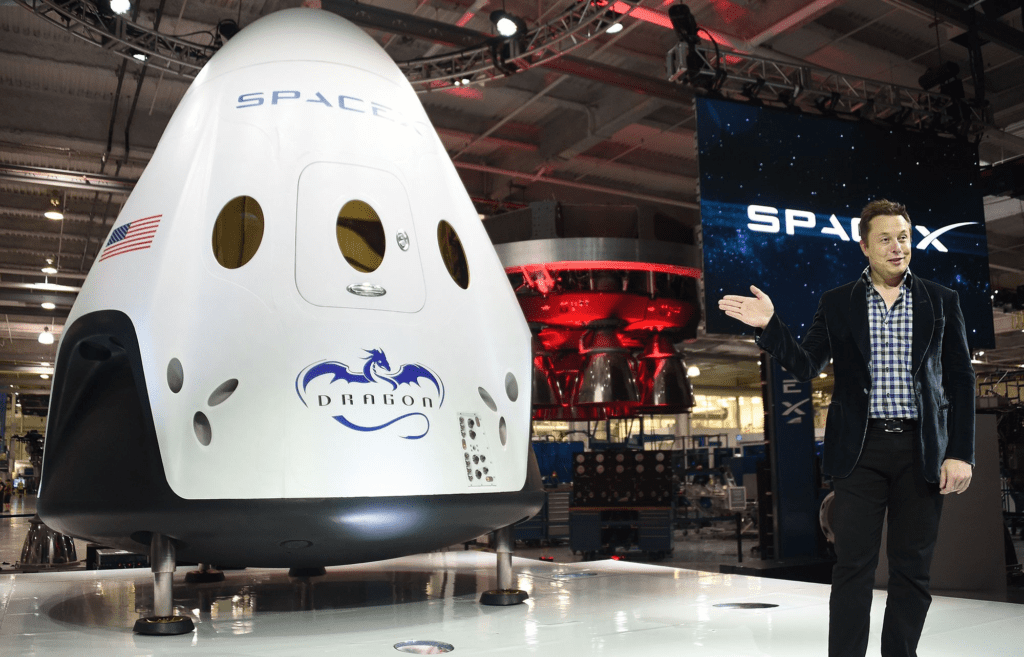
For years, the “bear case” for SpaceX was simple: rockets are a capital-intensive, low-margin business where one bad day at the launchpad can erase years of progress. But the narrative has fundamentally shifted. SpaceX is no longer just a transportation provider. It has evolved into a full-stack orbital infrastructure platform.
The primary engine of this valuation is not just the Falcon 9, which remains the most reliable workhorse in history with a 99.5% success rate. Instead, the focus has shifted to Starlink and the upcoming “Space Data Centers” initiative. In December 2025, SpaceX achieved a major milestone by surpassing 9.2 million Starlink subscribers, with projections to cross the 10 million mark before the IPO launch date. Starlink is now the company’s primary cash generator, contributing an estimated 70% of total revenues.
The financial strength of SpaceX has become increasingly transparent through secondary market share sales. In December 2025, internal stock pricing hit $421 per share, translating to an $800 billion private valuation. This was a doubling of value in just six months, driven by clear signs of profitability.
SpaceX’s competitive advantage is built on a moat of vertical integration and reusable hardware that no other nation, let alone company, has successfully replicated.
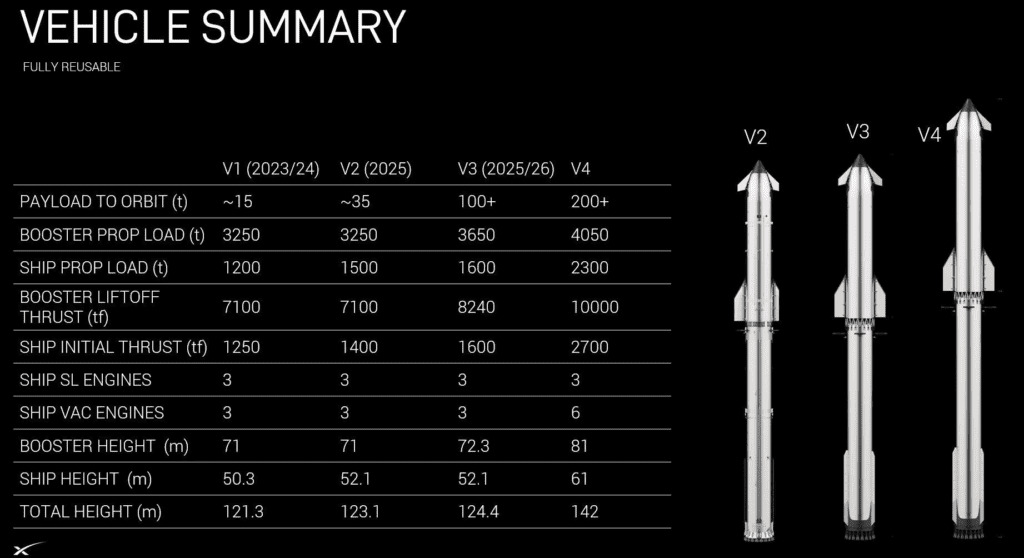
The Starship V3 architecture, set for major flight milestones throughout 2026, is the ultimate game-changer. It is significantly taller than previous versions and features an overhauled propulsion system with Raptor 3 engines. These engines provide a massive upgrade in thrust and reliability. V3 is designed to carry up to 100 metric tons to the lunar surface. More importantly for the IPO, Starship is the only vehicle capable of deploying the massive Starlink V3 satellites at scale. These satellites are essential for the “Direct-to-Mobile” business, which allows standard smartphones to connect to the internet without specialized hardware. In early 2026, SpaceX also began testing in-space propellant transfer, a critical capability for any future deep-space missions to Mars or the Moon.
While Starlink serves the consumer and enterprise markets, Starshield is the government-focused variant. In January 2026, SpaceX successfully launched the NROL-105 mission for the National Reconnaissance Office, which is part of a “proliferated architecture” of hundreds of intelligence satellites. This segment provides a stable, multi-billion dollar recurring revenue stream from the Department of Defense, further de-risking the business model for institutional investors. The NRO aims to have hundreds of these small satellites in orbit by the end of the decade to eliminate single points of failure in national intelligence.
One of the most compelling parts of the 2026 IPO pitch is the “Inference Flip.” In early 2026, global spending on running AI models finally surpassed the spending on training them. This has created a massive demand for data centers.
Elon Musk’s vision for SpaceX includes building orbital data centers through a new initiative reportedly called Project “Heart of the Galaxy.” By placing compute infrastructure in space, SpaceX can leverage continuous solar energy and the cold of vacuum for cooling. This allows them to bypass national jurisdictions and terrestrial fiber bottlenecks. This integrates perfectly with Musk’s other ventures, like xAI, creating a symbiotic ecosystem where SpaceX provides the physical layer for the next generation of artificial intelligence. Solar irradiance in orbit is roughly 40% higher than on Earth, and optical laser interlinks between satellites can deliver data speeds significantly faster than terrestrial fiber.

In the traditional aerospace sector, competitors like Boeing and United Launch Alliance (ULA) are struggling to keep pace with SpaceX’s launch cadence. In 2025, SpaceX completed over 160 launches, representing more than 50% of all global orbital launches.
The competition is currently fragmented into three categories:
The regulatory environment in 2026 has become increasingly favorable for SpaceX. As the company has demonstrated the utility of its Starlink network during various global crises, governments have become more willing to streamline launch licenses and spectrum allocations. The FCC’s recent decisions regarding spectrum assets have also helped SpaceX solidify its position in the direct-to-device market, creating a defensible barrier against potential competitors who lack SpaceX’s launch capabilities.
Furthermore, the geopolitical importance of SpaceX cannot be overstated. In an era of contested space environments, the ability to rapidly replenish a constellation of small satellites is a strategic necessity. This has led to a surge in international partnerships, with countries across Europe and Asia seeking to integrate Starlink and Starshield capabilities into their national infrastructure.
Despite the overwhelming momentum, there are legitimate concerns regarding the $1.5 trillion valuation target. Skeptics point out that such a figure requires nearly flawless execution across multiple ambitious programs simultaneously. If the Starship V3 program encounters significant delays or if the orbital data center initiative proves to be economically unviable in the short term, the valuation could face a steep correction.
Additionally, the company remains heavily reliant on the leadership of Elon Musk. While his vision is the primary driver of the company’s success, his involvement in other high-profile ventures and his polarizing public persona introduce a level of “key person risk” that institutional investors will need to weigh carefully.
The SpaceX IPO will likely be the defining financial event of 2026. For investors, the thesis rests on three pillars:
The SpaceX IPO represents more than just a stock listing: it is the monetization of the new orbital economy. As the company transitions from a private disruptor to a public utility, it will likely dictate the pace of human expansion into the solar system for decades to come.
IonQ just shattered the $100 million revenue ceiling, proving that quantum computing is no longer a science experiment but a massive commercial reality for 2026.
Tariff chaos and an AI reality check are crushing tech valuations. Discover why 2026’s market whiplash is actually a prime contrarian buying opportunity.
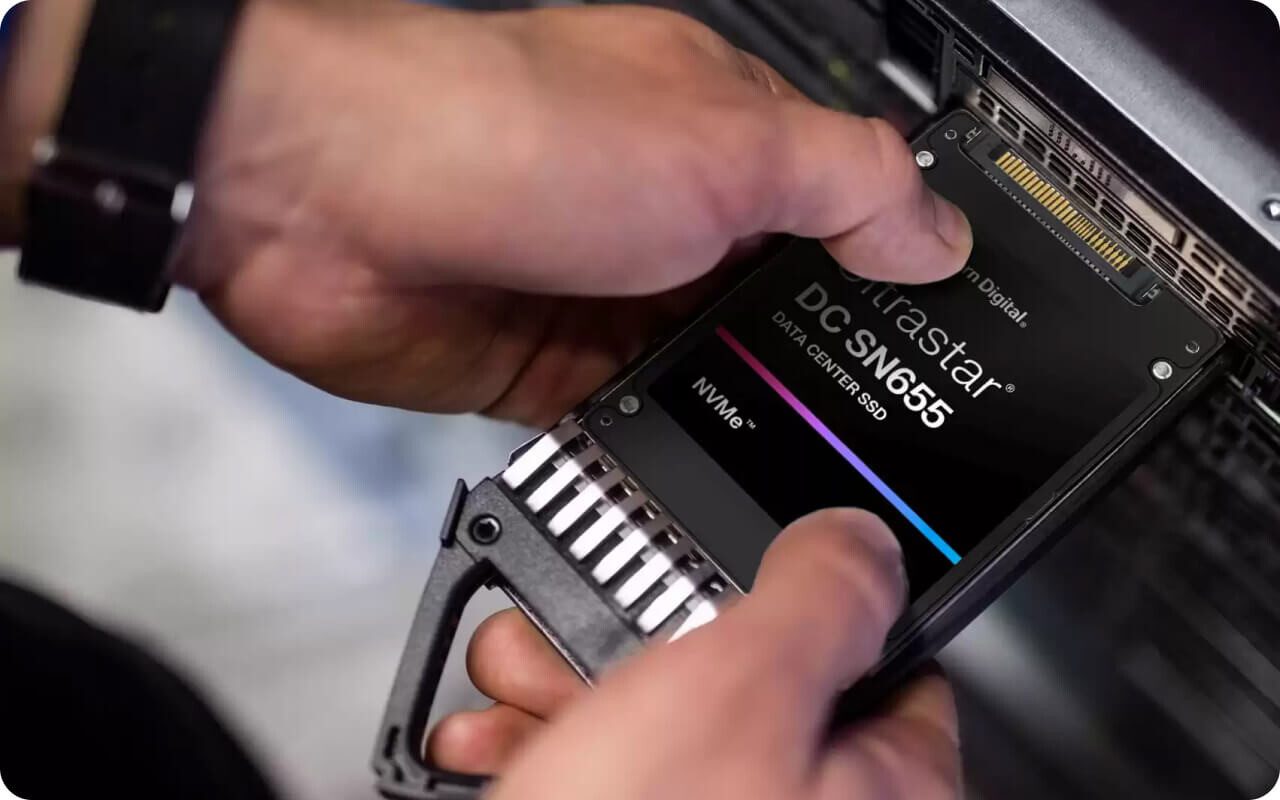
SanDisk reports a blowout Q2 2026 with $3.03 billion in revenue and $6.20 EPS. Despite the stock being down today, the future valuation remains massive.
SpaceX is reportedly targeting a record-shattering 2026 IPO at a $1.5 trillion valuation, fueled by Starlink’s profitability and the promise of Starship.
The aerospace industry has long been a domain of glacial progress and cost-plus contracts that prioritized stability over speed. That era is officially ending. As we move into January 2026, the financial world is bracing for what could be the largest initial public offering in history. SpaceX, a company that was once a scrappy startup launching repurposed Falcon 1 rockets from remote islands, is now reportedly preparing to go public.
According to recent reports from late 2025 and mid-January 2026, Elon Musk has shifted from his long-held resistance to public markets. The target is a mid-to-late 2026 debut with a valuation that could reach as high as $1.5 trillion. For context, that would place SpaceX in the same rarified air as the world’s largest tech giants. This is not just about launching satellites anymore: it is about owning the fundamental infrastructure of the next century.
For years, the “bear case” for SpaceX was simple: rockets are a capital-intensive, low-margin business where one bad day at the launchpad can erase years of progress. But the narrative has fundamentally shifted. SpaceX is no longer just a transportation provider. It has evolved into a full-stack orbital infrastructure platform.
The primary engine of this valuation is not just the Falcon 9, which remains the most reliable workhorse in history with a 99.5% success rate. Instead, the focus has shifted to Starlink and the upcoming “Space Data Centers” initiative. In December 2025, SpaceX achieved a major milestone by surpassing 9.2 million Starlink subscribers, with projections to cross the 10 million mark before the IPO launch date. Starlink is now the company’s primary cash generator, contributing an estimated 70% of total revenues.
The financial strength of SpaceX has become increasingly transparent through secondary market share sales. In December 2025, internal stock pricing hit $421 per share, translating to an $800 billion private valuation. This was a doubling of value in just six months, driven by clear signs of profitability.
SpaceX’s competitive advantage is built on a moat of vertical integration and reusable hardware that no other nation, let alone company, has successfully replicated.
The Starship V3 architecture, set for major flight milestones throughout 2026, is the ultimate game-changer. It is significantly taller than previous versions and features an overhauled propulsion system with Raptor 3 engines. These engines provide a massive upgrade in thrust and reliability. V3 is designed to carry up to 100 metric tons to the lunar surface. More importantly for the IPO, Starship is the only vehicle capable of deploying the massive Starlink V3 satellites at scale. These satellites are essential for the “Direct-to-Mobile” business, which allows standard smartphones to connect to the internet without specialized hardware. In early 2026, SpaceX also began testing in-space propellant transfer, a critical capability for any future deep-space missions to Mars or the Moon.
While Starlink serves the consumer and enterprise markets, Starshield is the government-focused variant. In January 2026, SpaceX successfully launched the NROL-105 mission for the National Reconnaissance Office, which is part of a “proliferated architecture” of hundreds of intelligence satellites. This segment provides a stable, multi-billion dollar recurring revenue stream from the Department of Defense, further de-risking the business model for institutional investors. The NRO aims to have hundreds of these small satellites in orbit by the end of the decade to eliminate single points of failure in national intelligence.
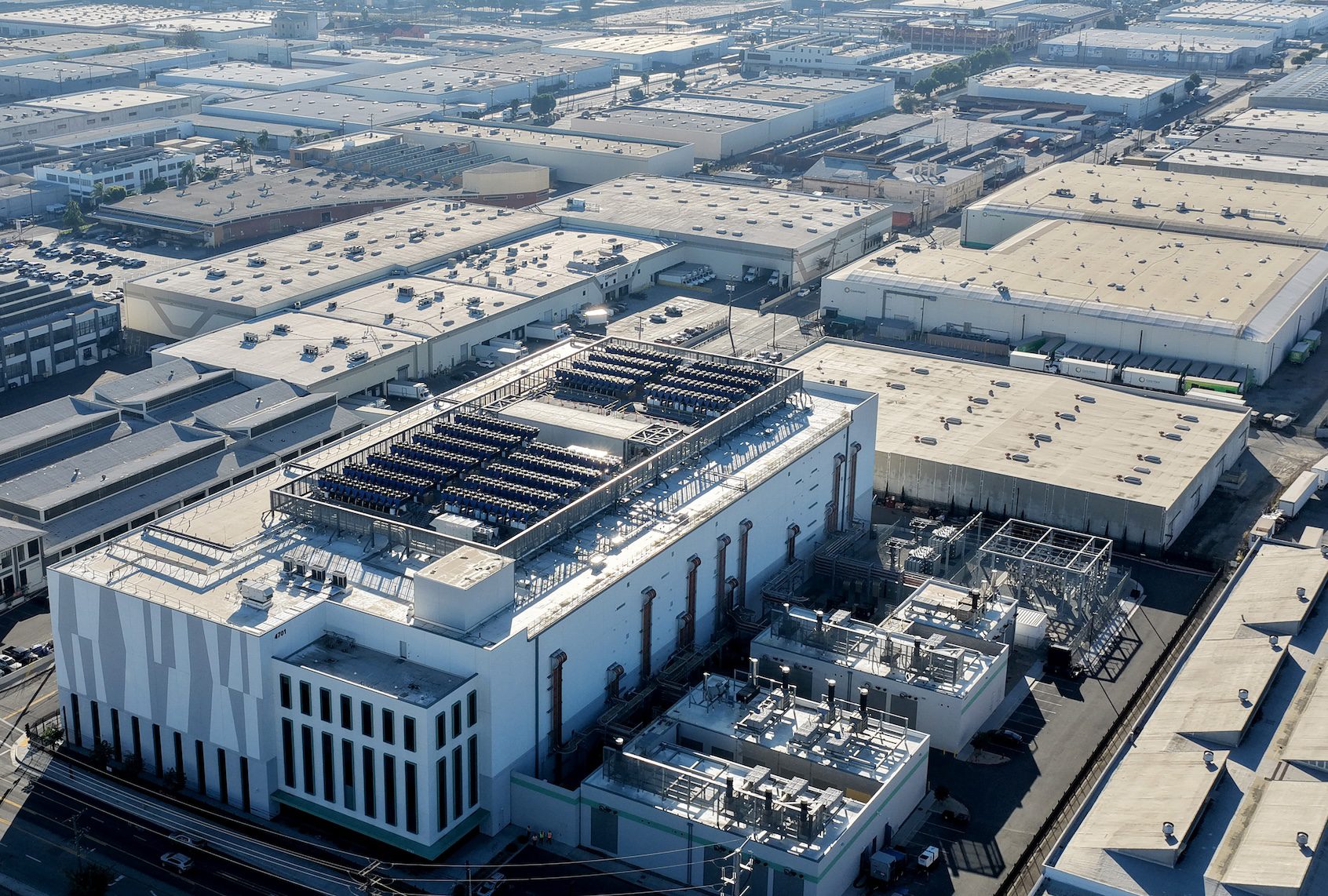
One of the most compelling parts of the 2026 IPO pitch is the “Inference Flip.” In early 2026, global spending on running AI models finally surpassed the spending on training them. This has created a massive demand for data centers.
Elon Musk’s vision for SpaceX includes building orbital data centers through a new initiative reportedly called Project “Heart of the Galaxy.” By placing compute infrastructure in space, SpaceX can leverage continuous solar energy and the cold of vacuum for cooling. This allows them to bypass national jurisdictions and terrestrial fiber bottlenecks. This integrates perfectly with Musk’s other ventures, like xAI, creating a symbiotic ecosystem where SpaceX provides the physical layer for the next generation of artificial intelligence. Solar irradiance in orbit is roughly 40% higher than on Earth, and optical laser interlinks between satellites can deliver data speeds significantly faster than terrestrial fiber.
In the traditional aerospace sector, competitors like Boeing and United Launch Alliance (ULA) are struggling to keep pace with SpaceX’s launch cadence. In 2025, SpaceX completed over 160 launches, representing more than 50% of all global orbital launches.
The competition is currently fragmented into three categories:
The regulatory environment in 2026 has become increasingly favorable for SpaceX. As the company has demonstrated the utility of its Starlink network during various global crises, governments have become more willing to streamline launch licenses and spectrum allocations. The FCC’s recent decisions regarding spectrum assets have also helped SpaceX solidify its position in the direct-to-device market, creating a defensible barrier against potential competitors who lack SpaceX’s launch capabilities.
Furthermore, the geopolitical importance of SpaceX cannot be overstated. In an era of contested space environments, the ability to rapidly replenish a constellation of small satellites is a strategic necessity. This has led to a surge in international partnerships, with countries across Europe and Asia seeking to integrate Starlink and Starshield capabilities into their national infrastructure.
Despite the overwhelming momentum, there are legitimate concerns regarding the $1.5 trillion valuation target. Skeptics point out that such a figure requires nearly flawless execution across multiple ambitious programs simultaneously. If the Starship V3 program encounters significant delays or if the orbital data center initiative proves to be economically unviable in the short term, the valuation could face a steep correction.
Additionally, the company remains heavily reliant on the leadership of Elon Musk. While his vision is the primary driver of the company’s success, his involvement in other high-profile ventures and his polarizing public persona introduce a level of “key person risk” that institutional investors will need to weigh carefully.
The SpaceX IPO will likely be the defining financial event of 2026. For investors, the thesis rests on three pillars:
The SpaceX IPO represents more than just a stock listing: it is the monetization of the new orbital economy. As the company transitions from a private disruptor to a public utility, it will likely dictate the pace of human expansion into the solar system for decades to come.
IonQ just shattered the $100 million revenue ceiling, proving that quantum computing is no longer a science experiment but a massive commercial reality for 2026.
Tariff chaos and an AI reality check are crushing tech valuations. Discover why 2026’s market whiplash is actually a prime contrarian buying opportunity.
SanDisk reports a blowout Q2 2026 with $3.03 billion in revenue and $6.20 EPS. Despite the stock being down today, the future valuation remains massive.
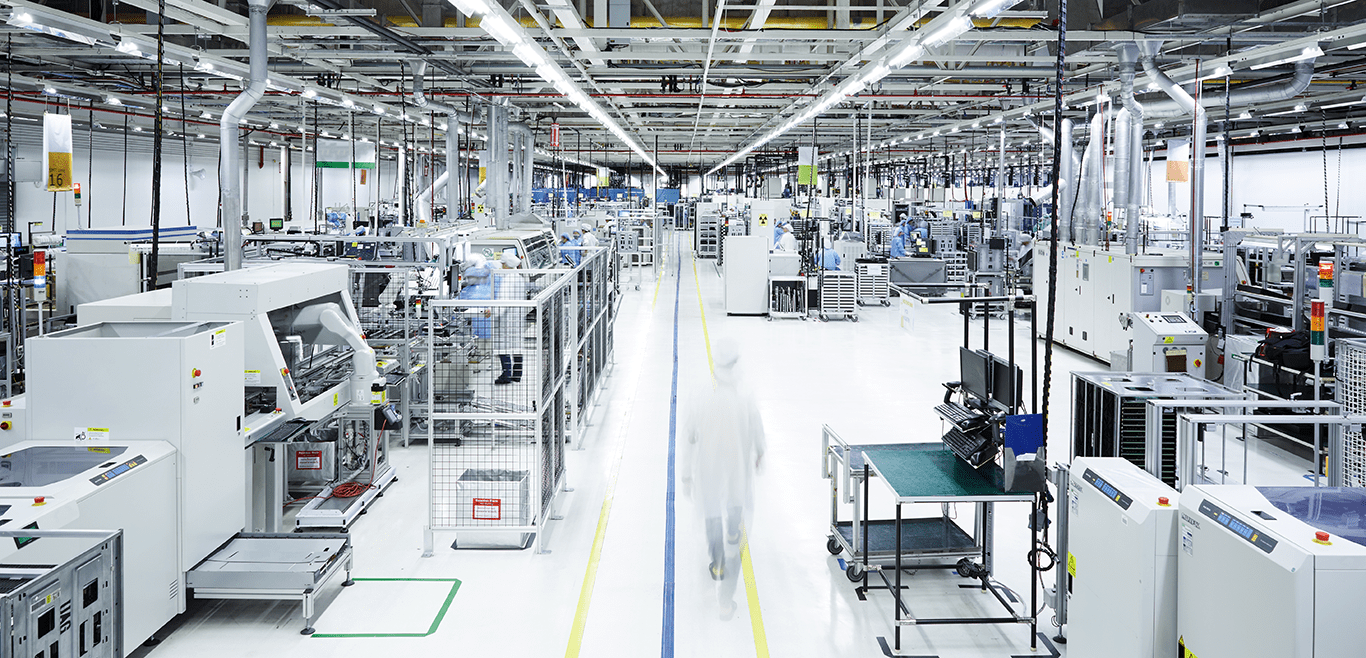
Celestica’s record-shattering Q4 2025 results showcase a massive leap in adjusted operating margins to 7.7%, driven by surging demand for AI data center technologies.